Underbrush Clearing in Utah County, UT
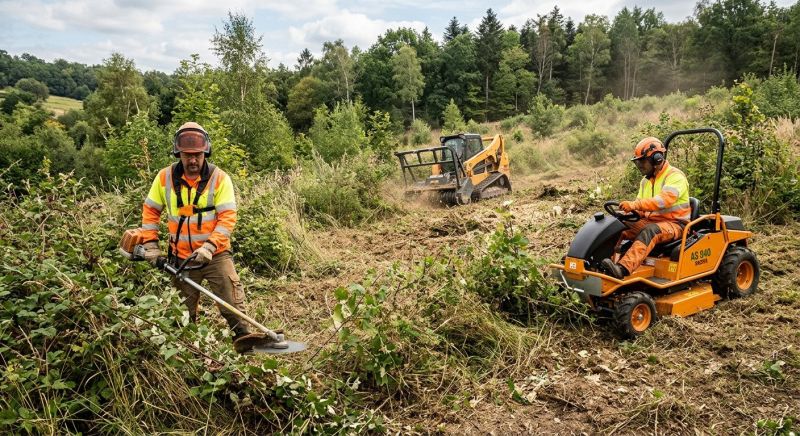
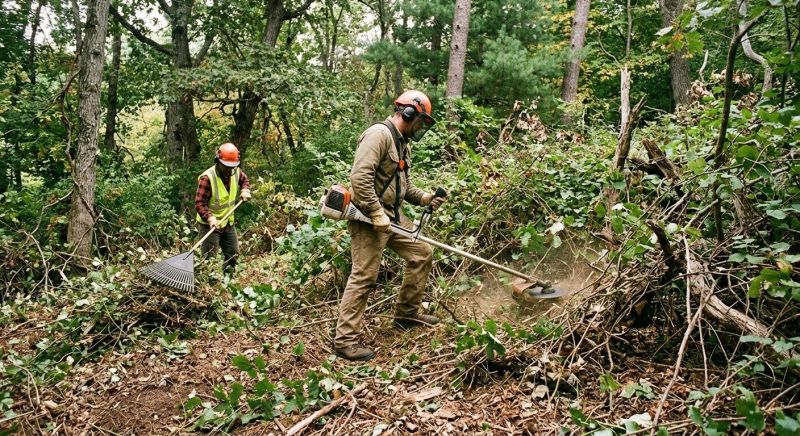
Underbrush clearing services involve removing dense, unwanted vegetation such as shrubs, small trees, and thick undergrowth from residential properties. This process helps improve the appearance of outdoor spaces, reduces fire hazards, and creates a safer environment for outdoor activities or future landscaping projects. Property owners often request underbrush clearing for projects like preparing a yard for new landscaping, maintaining safety around structures, or managing overgrown areas that have become difficult to navigate or maintain.
Before requesting underbrush clearing, homeowners should consider the extent of the overgrowth, types of vegetation involved, and the desired outcome for the space. Understanding the size of the area, any potential obstacles, and whether debris removal or disposal services are needed can help clarify the scope of work. Clear communication about these details ensures the project aligns with expectations and results in a well-maintained, accessible outdoor area.
Many property owners in Utah County, UT look into Underbrush Clearing for repairs, replacements, upgrades, and appearance-related improvements.
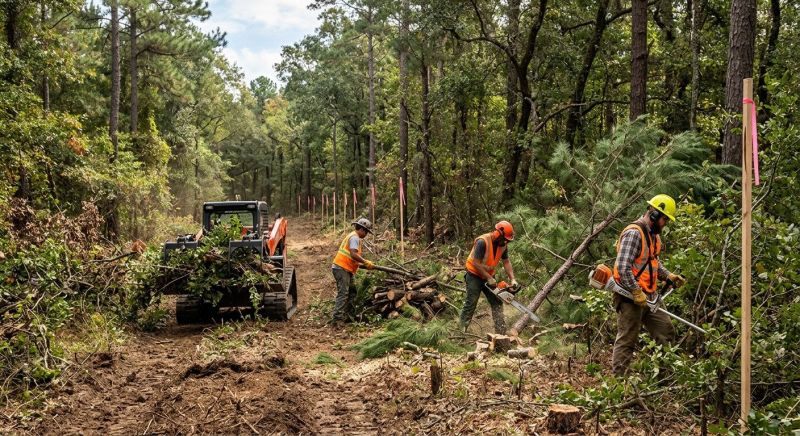
Clear Overgrown Areas
Underbrush clearing helps maintain accessible and safe outdoor spaces.
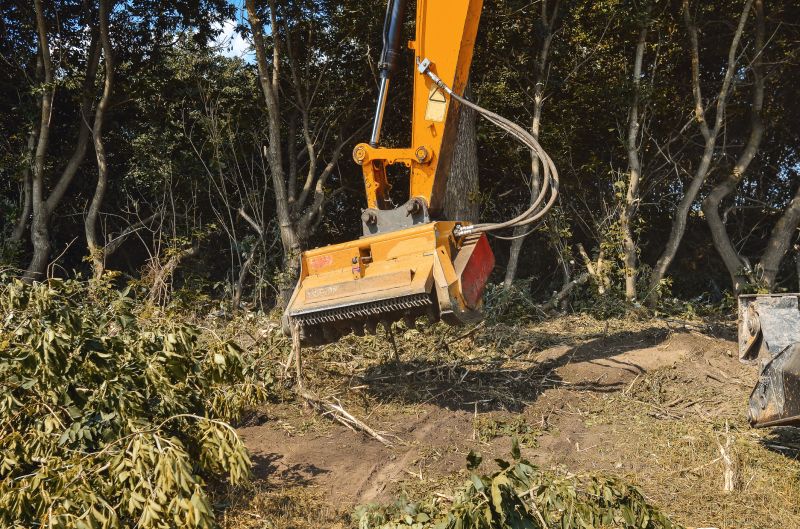
Prepare Land For Projects
Removing dense underbrush creates a clean foundation for landscaping or construction.
Reduce Fire Hazards
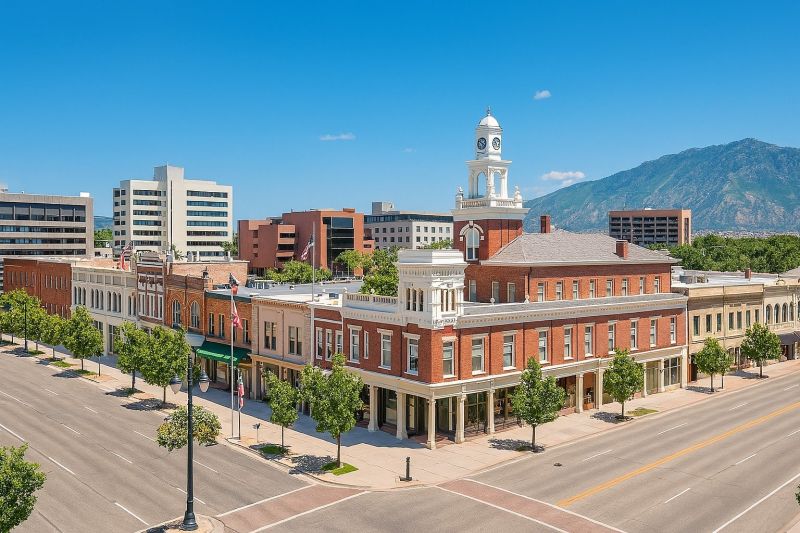
Managing underbrush minimizes the risk of wildfires in utah county and surrounding areas.
Underbrush Clearing in Utah County, UT
Underbrush clearing services involve removing dense, unwanted vegetation such as shrubs, small trees, and thick undergrowth from residential properties. This process helps improve the appearance of outdoor spaces, reduces fire hazards, and creates a safer environment for outdoor activities or future landscaping projects. Property owners often request underbrush clearing for projects like preparing a yard for new landscaping, maintaining safety around structures, or managing overgrown areas that have become difficult to navigate or maintain.
Before requesting underbrush clearing, homeowners should consider the extent of the overgrowth, types of vegetation involved, and the desired outcome for the space. Understanding the size of the area, any potential obstacles, and whether debris removal or disposal services are needed can help clarify the scope of work. Clear communication about these details ensures the project aligns with expectations and results in a well-maintained, accessible outdoor area.
Many property owners in Utah County, UT look into Underbrush Clearing for repairs, replacements, upgrades, and appearance-related improvements.
Common Underbrush Clearing Jobs
Underbrush clearing involves removing dense shrubs and small trees to improve property visibility and safety.
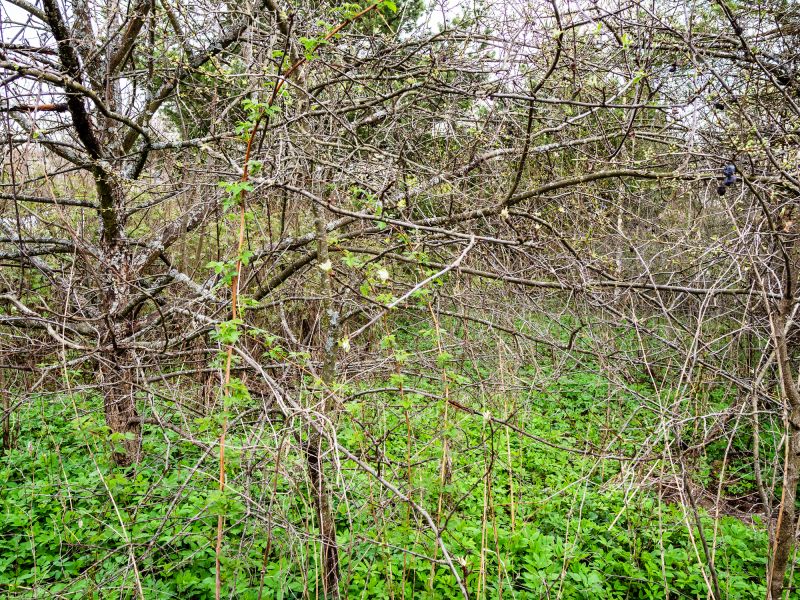
Overgrown lot cleanup helps maintain a tidy yard and reduces fire hazards.
Fence line clearing ensures clear boundaries and prevents plant overgrowth from encroaching.
Trail and pathway clearing creates accessible routes through wooded or overgrown areas.
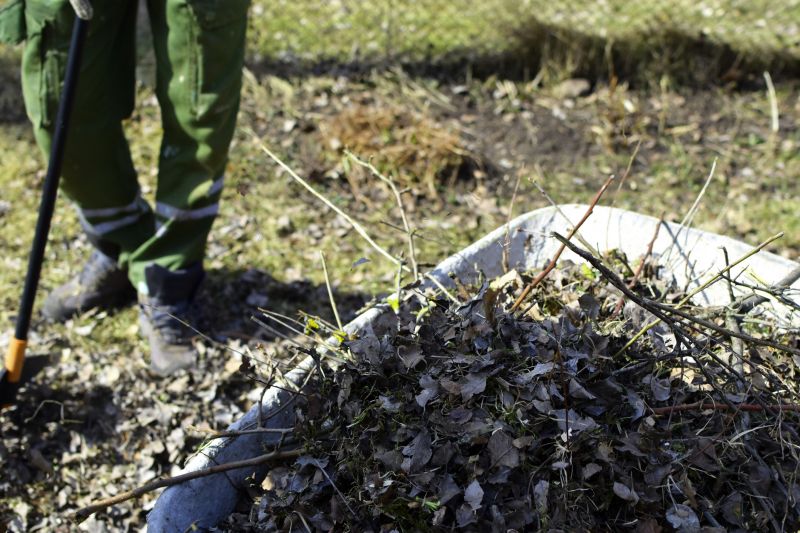
Storm damage removal involves clearing fallen branches and debris after severe weather events.
Vegetation management supports healthy landscape growth and prevents pest habitats.
Underbrush Clearing Questions
What is underbrush clearing? Underbrush clearing involves removing small trees, shrubs, and brush to improve visibility, safety, or prepare land for other uses.
When should property owners consider underbrush clearing? It is typically done when overgrowth starts to hinder access, reduce safety, or affect the health of existing landscaping.
What types of projects are suitable for underbrush clearing? Projects include clearing overgrown yards, firebreaks, trail maintenance, and preparing land for planting or construction.
What should property owners know about the process? Proper clearing helps control pests, reduces fire risk, and enhances property appearance, making land safer and more functional.
Request Underbrush Clearing in Utah County, UT
Use the quote form on this page to share the basics of your project and request more information for the type of work you need.